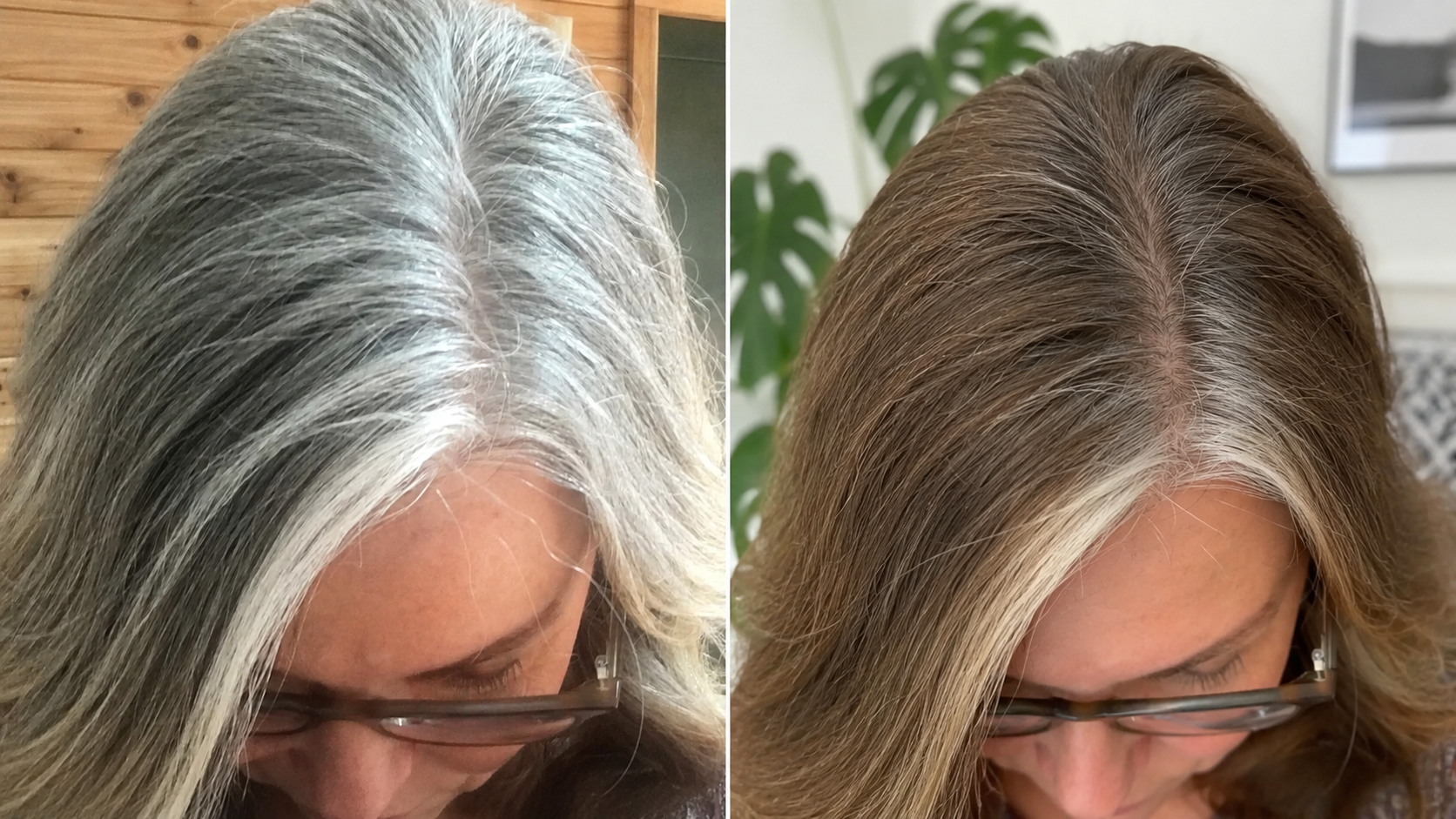
5 Ways to Cover Gray Hair, Ranked by a Cosmetic Chemist

Most gray coverage products use the same basic chemistry — but the marketing makes them sound completely different. I reviewed the ingredient lists, the cost math, and what each option actually delivers. Here's the honest breakdown.
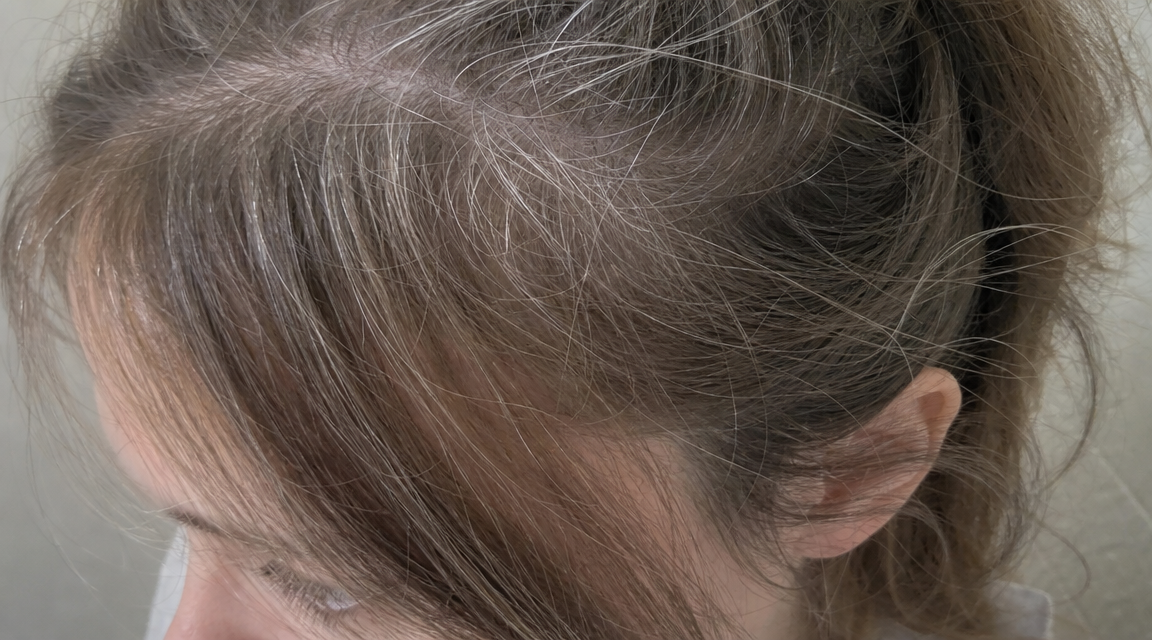
A note on what's actually in conventional dyes
Before getting into the ranking, it's worth understanding what most of these products actually contain — because the ingredient lists are remarkably similar across box dyes, salon color, and the "natural" branded shampoos that have become popular online.
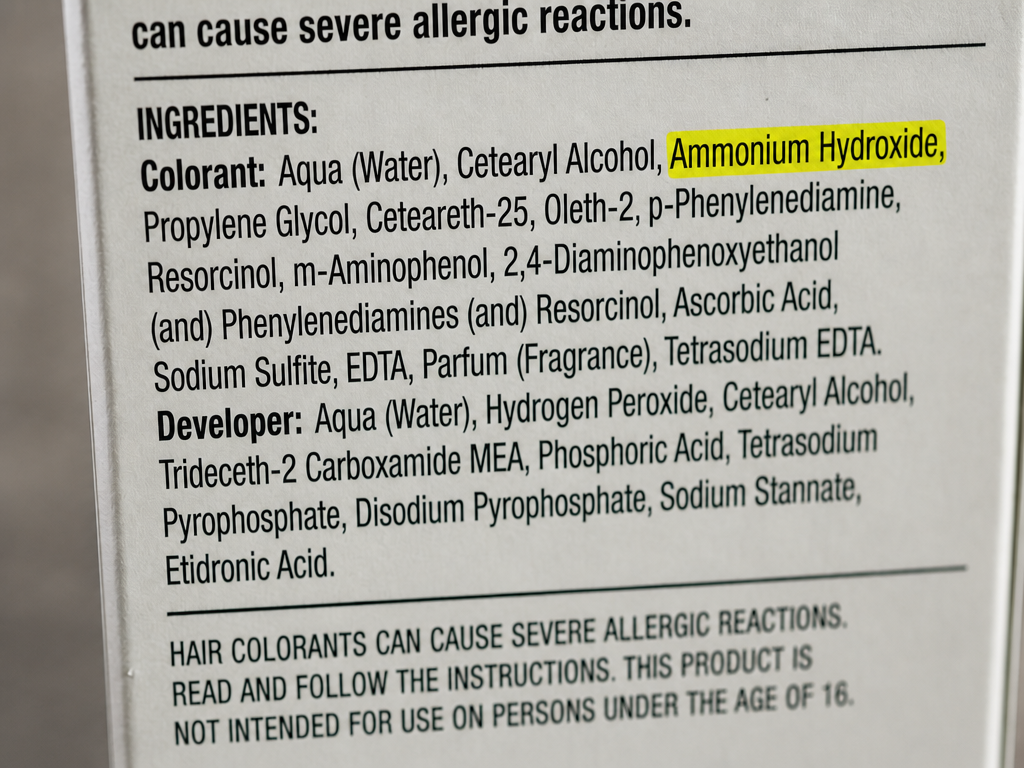
The ingredient I want to flag specifically is ammonia, listed on labels as ammonium hydroxide. It's in virtually every traditional permanent dye and in most salon color. Its job in the formula is to swell the hair shaft and lift the cuticle so color and peroxide can penetrate. That mechanism is what makes permanent dye work — but the cuticle damage it leaves behind, repeated over months and years, is one of the main reasons chemically colored hair becomes dry, brittle, and increasingly hard to manage.
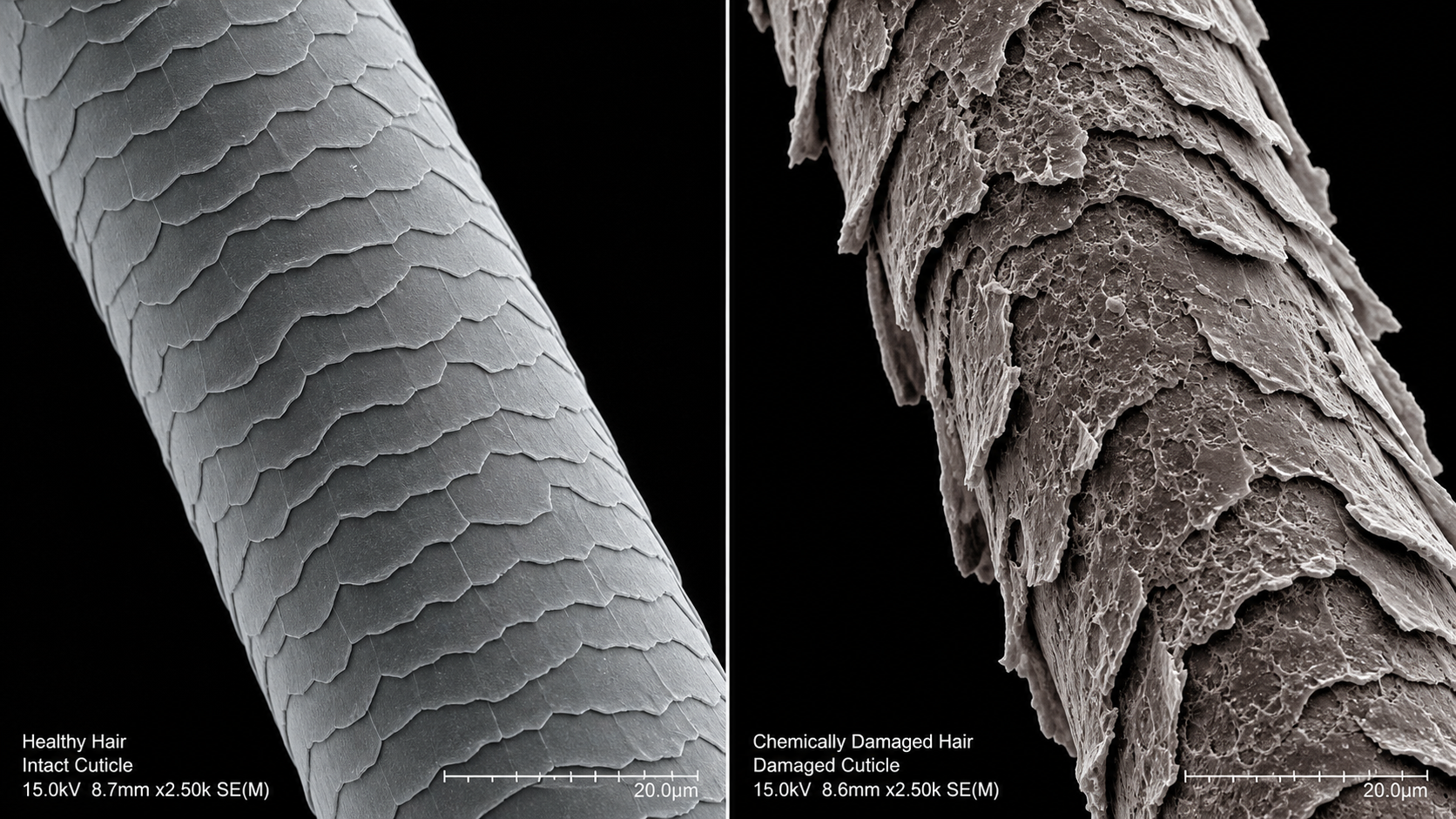
The cuticle is the outer protective layer of the hair — overlapping scales that keep moisture in and damage out. Once it's been lifted and broken down by repeated alkaline exposure, the hair becomes porous, dry, rough to the touch, and prone to breakage. Color fades faster. New color grabs unevenly. The damage is cumulative.
This is the lens I used while reviewing the six methods below. Cost matters, convenience matters, coverage matters — but so does what these products are actually doing to your hair over the long run. With that context, here's the ranking.
Root touch-up spray
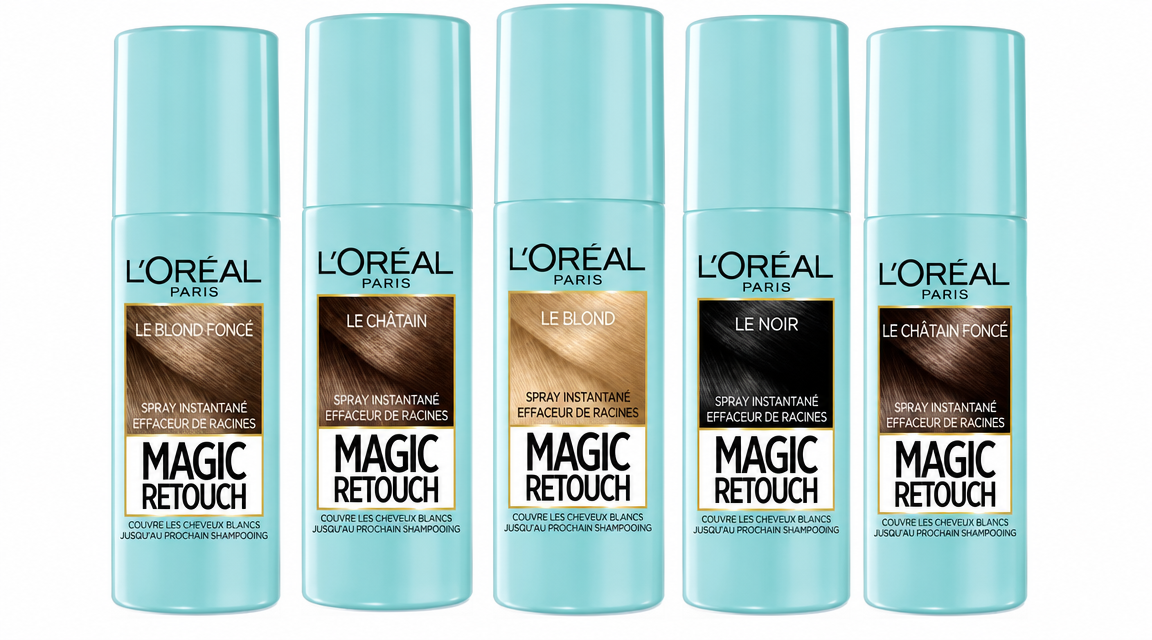
This isn't a dye. It's pigment that sits on the surface of the hair and washes out in a single shower. Useful for one event. Not a real solution for anyone using it more than a few times a year.
✓ What works
- ✓Under 5 minutes
- ✓Low per-use cost
- ✓Works for a one-off event
— Worth knowing
- —Washes out in one shower
- —Transfers onto fabric and skin
- —Streaks in heat, sweat, or rain
Best for: A single event. Not a sustainable routine.
View on Amazon →Professional salon color
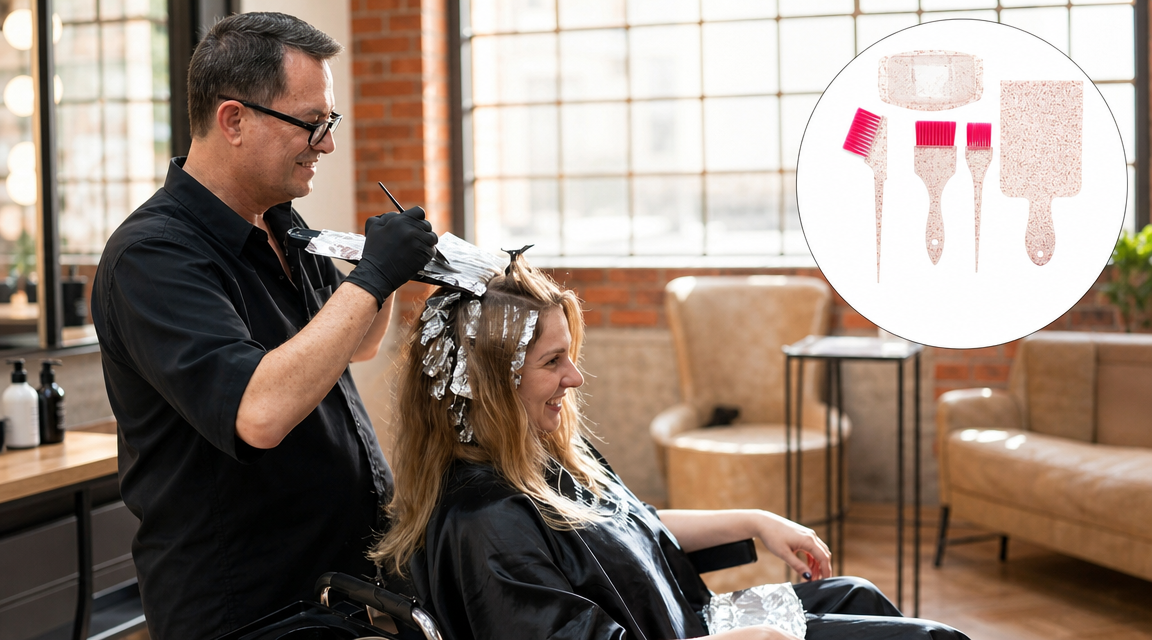
The best coverage quality on this list. Also the most expensive by a wide margin — over $600 every six months, indefinitely. And the formula underneath uses the same PPD and peroxide chemistry as a $12 box dye.
✓ What works
- ✓Best coverage quality
- ✓Applied by a professional
- ✓Most natural-looking result
— Worth knowing
- —$600+ every six months
- —2–3 hours per visit
- —Same chemistry as home dye
Best for: People for whom cost and time are not constraints.
Traditional box dye
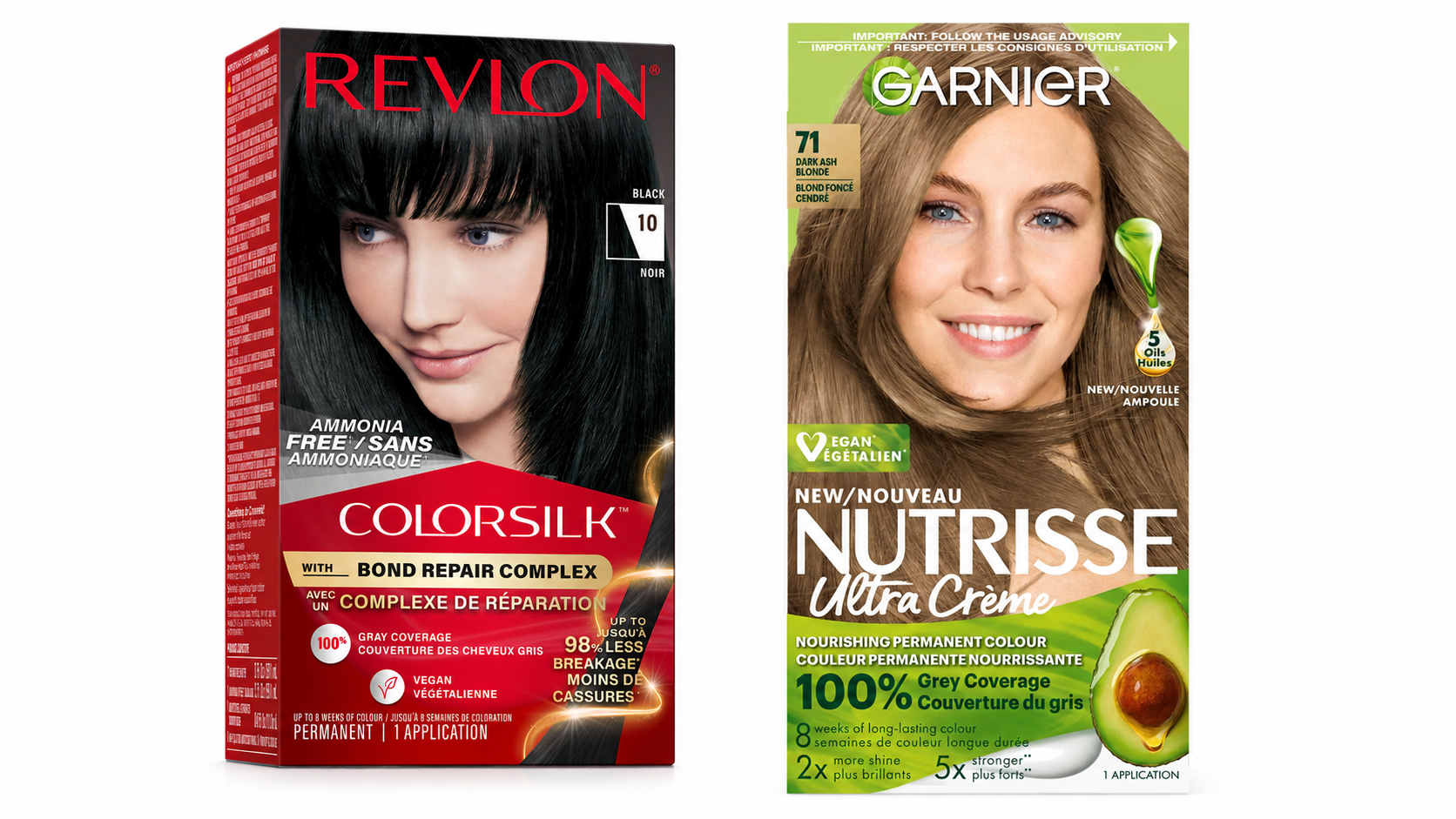
Cheap and effective, but the harshest option on this list. PPD plus peroxide sitting on your scalp for 45 minutes, every month. Add the mixing, the drips, the stained towels, and the wrong-shade risk — most people who've used it for years eventually look for something else.
✓ What works
- ✓~$12 per box
- ✓Strong, lasting color
- ✓Available everywhere
— Worth knowing
- —45–60 minutes every time
- —Highest scalp exposure of any method
- —Mixing, dripping, staining
Best for: People who prioritize low per-box cost and are comfortable with the process.
View on Amazon →Natural gray transition (going gray on purpose)
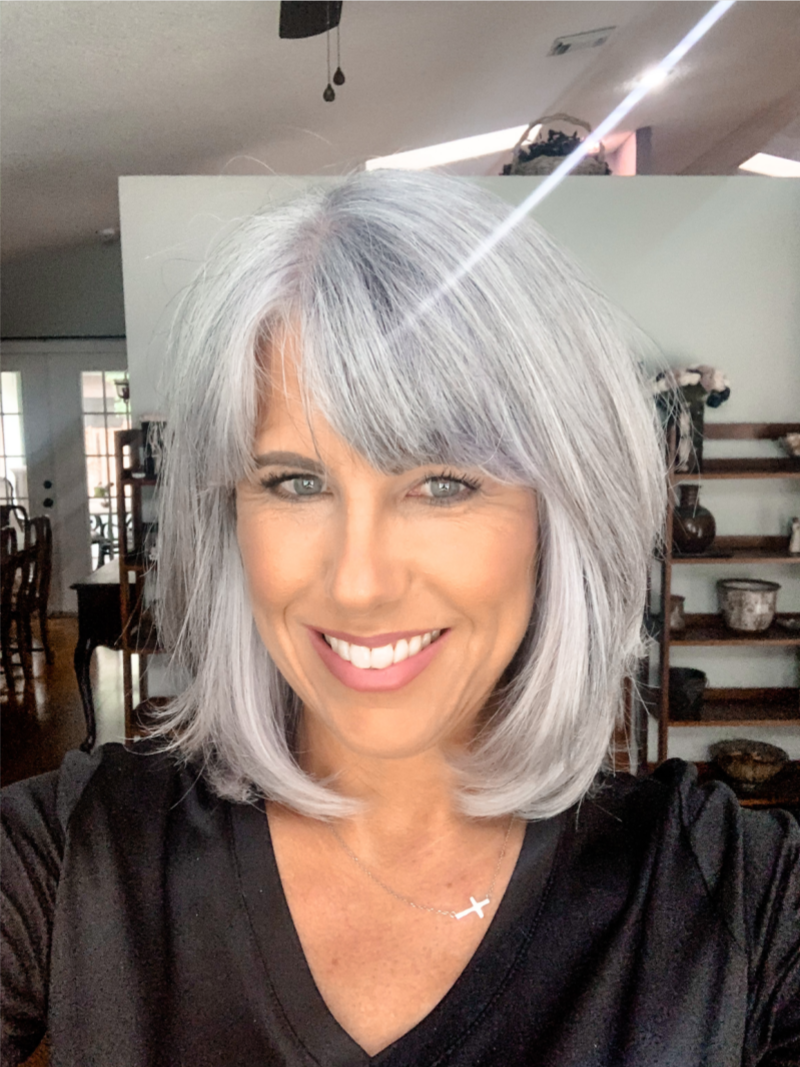
For the right person, this is the right answer. No cost, no chemicals, permanent. The catch is the 6–18 month grow-out phase with a visible line between old color and new gray — harder to live through than most people expect.
✓ What works
- ✓Zero ongoing cost
- ✓No chemical exposure
- ✓Permanent solution
— Worth knowing
- —6–18 month grow-out
- —Visible transition line
- —Requires real patience
Best for: People who are genuinely ready to embrace their natural color and can manage the transition.
Our recommendation: 500ml color shampoo
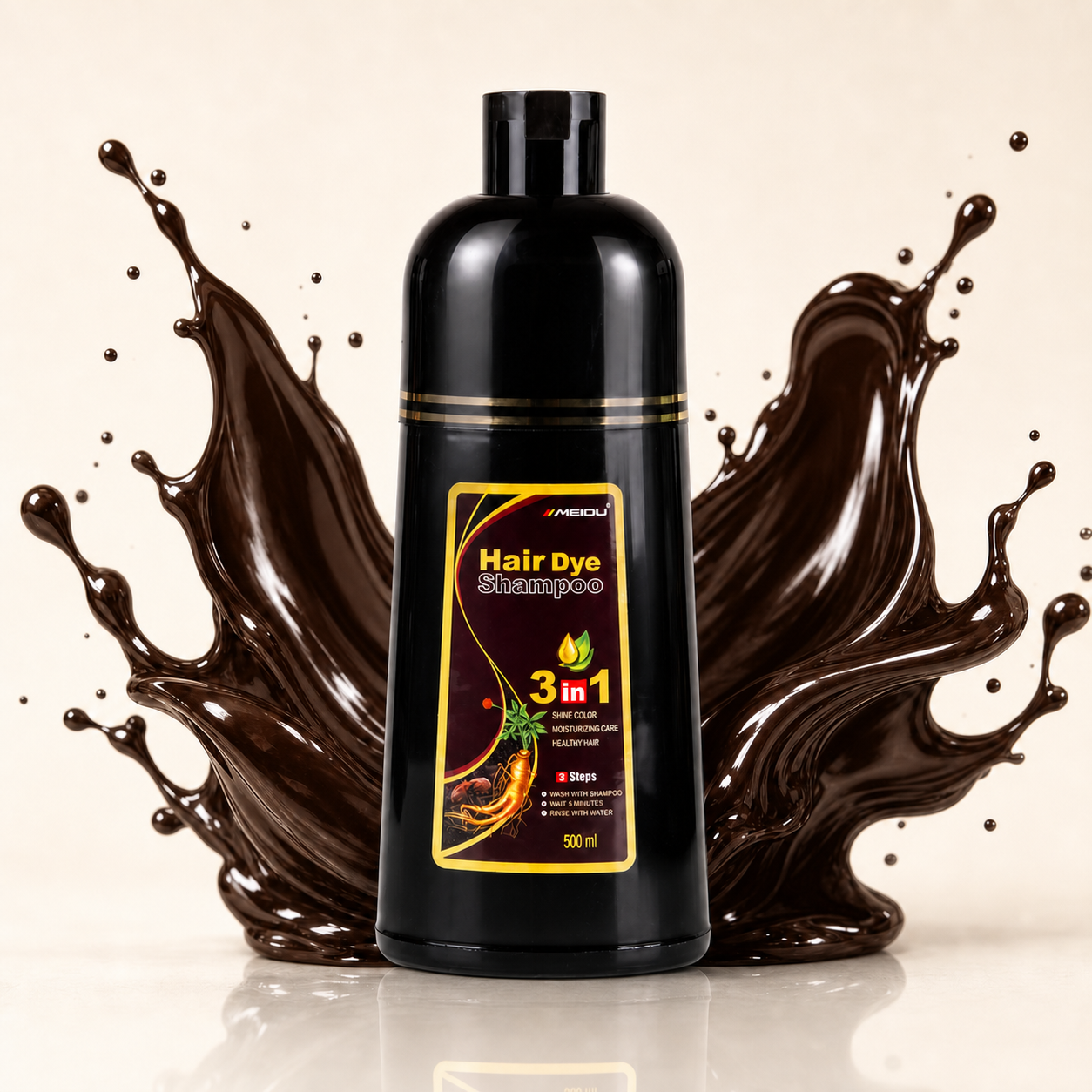
Its by far the best option on the market — pump, lather, rinse in 15 minutes. No chemicals, all natural ingredients — ammonia-free, which is the harshest synthetic chemical and the one that damages your hair the most — gloves included, honest about its limits. I recommend a 48-hour patch test before first use, same as any color product.
✓ What works
- ✓2.5x more product per bottle
- ✓~$1.50 per wash
- ✓Gloves included
— Worth knowing
- —Stubborn temple grays may need a second pass
- —Often out of stock
- —Patch test recommended
Best for: Most people who want effective, low-cost, low-effort gray coverage at home — without the mess, the box-dye ritual, or the inflated per-use cost of smaller bottles.
Check if still available →Final assessment
Salon color is the best result if money doesn't matter. Going gray is the most honest long-term answer if you're ready. For everyone else — most people — the 500ml color shampoo is the cheapest per use, the easiest to apply, and the only product in this category that doesn't lie about what's in it.